Bellyeoman Road
Dunfermline
A large house in its own grounds, providing accommodation for up to six children and young people aged between 8 and 18.

Scroll down

*Referrals for these services are only open to Highland Council.
At Aberlour we believe all children and young people deserve the opportunity to be the best they can. We are committed to getting it right for our children by tailoring our services to help each child, young person and family achieve their own personal goals.
Watch the video
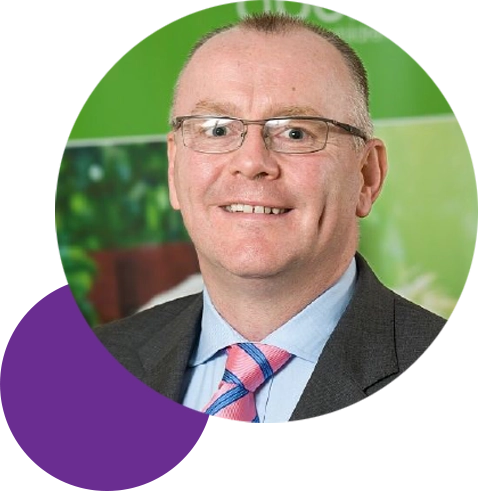
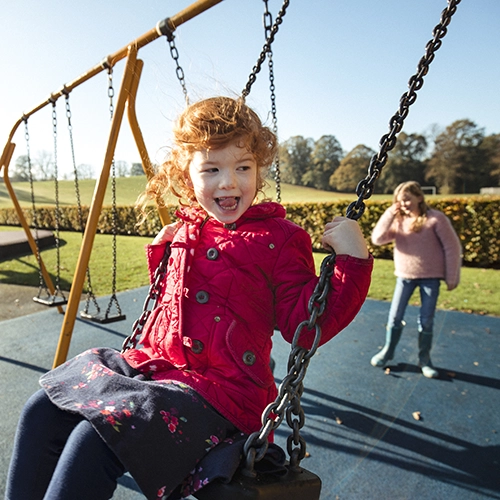
Our vision is that our children's houses will provide a loving home where everyone laughs, learns, grows into the future and is treasured always.
The children and young people who come to live with us are likely to have experienced significant distress and disruption in their childhoods, and many will have experienced multiple moves before coming to live with us. Our houses are situated in the heart of local communities as we believe that our children make a positive contribution to community life.
All of our children's houses provide a stable home for our children and young people as we believe that they deserve stability, safety and our understanding. We pride ourselves in the quality of accommodation we provide and that our children and young people are key to deciding what the houses should look like as well as deciding, importantly, who comes to look after and support them.
Residential childcare has been a vital component of what Aberlour believes children and young people, who cannot live at home, can benefit from to heal and recover from their distressed and disrupted childhoods.
"We are proud that our Sycamore services are firmly embedded in their local communities, united by a common focus, offering a loving home where everyone laughs, learns, grows into their future and is valued always."
John Ryan
Assistant DirectorWe currently have five children’s houses across Fife and Tayside; three in Kirkcaldy, one in Dunfermline and one in Auchterhouse. Each one provides a safe, caring and stable home.
Our houses are at the heart of their communities, close to schools, parks and other amenities. The children and young people we look after are active members of their communities, encouraged to participate in local clubs and groups.
Dunfermline
A large house in its own grounds, providing accommodation for up to six children and young people aged between 8 and 18.
Kirkcaldy
Situated in a residential estate, providing accommodation for up to six children and young people aged between 8 and 13. We have a family flat available to enable the families of children in our houses to stay overnight on occasion.
Kirkcaldy
Situated in a residential estate, providing accommodation for six children and young people aged between 12 and 18.
Kirkcaldy
A large house in its own grounds, providing accommodation for up to six children and young people aged between 8 and 18.
Auchterhouse
A large house in its own grounds, providing accommodation for up to three children and young people aged between 8 and 18.

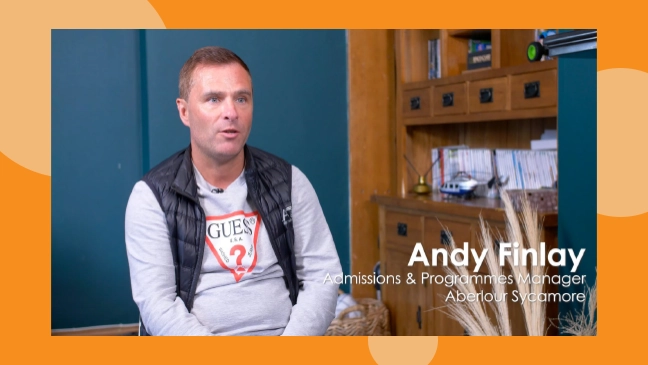
“We truly believe in the power of residential care, and recognise it as a positive destination for many children and young people.”
Andy Finlay
Admissions and Programme Manager
Children who have experienced multiple disrupted placements are often viewed as difficult or even impossible to place. In reality, their behaviour is often a response to trauma or feelings of rejection, abandonment and sadness. These painful feelings can manifest themselves in challenging behaviour and a lack of trust in the adults around them.
The core element of our practice base is DDP – a therapeutic intervention our adults adopt whilst supporting our children and young people who have experienced significant developmental trauma.
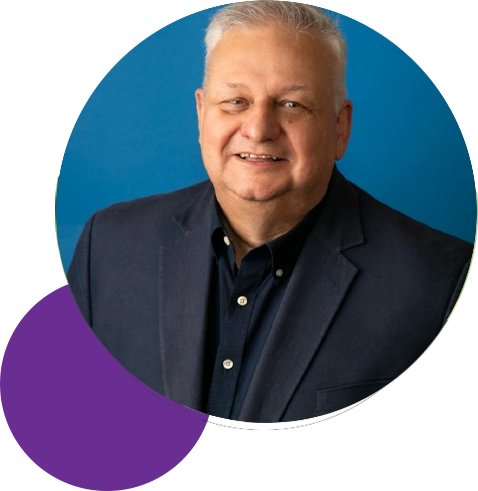
Our approach keeps children and young people at the centre at all times, supports positive risk taking and ultimately leads to positive outcomes through empowering children and young people to take responsibility for their own choices.
"Underpinning everything we do is our ambition to ensure the children we work with have an equal chance regardless of their start in life. We will work relentlessly to ensure that the United Nations Convention on the Rights of the Child is fully embedded in law and is visible across our organisation and obvious in what we do and how we work with children, young people and their families."
Jim Wallace
Director of Children and FamiliesWatch the video
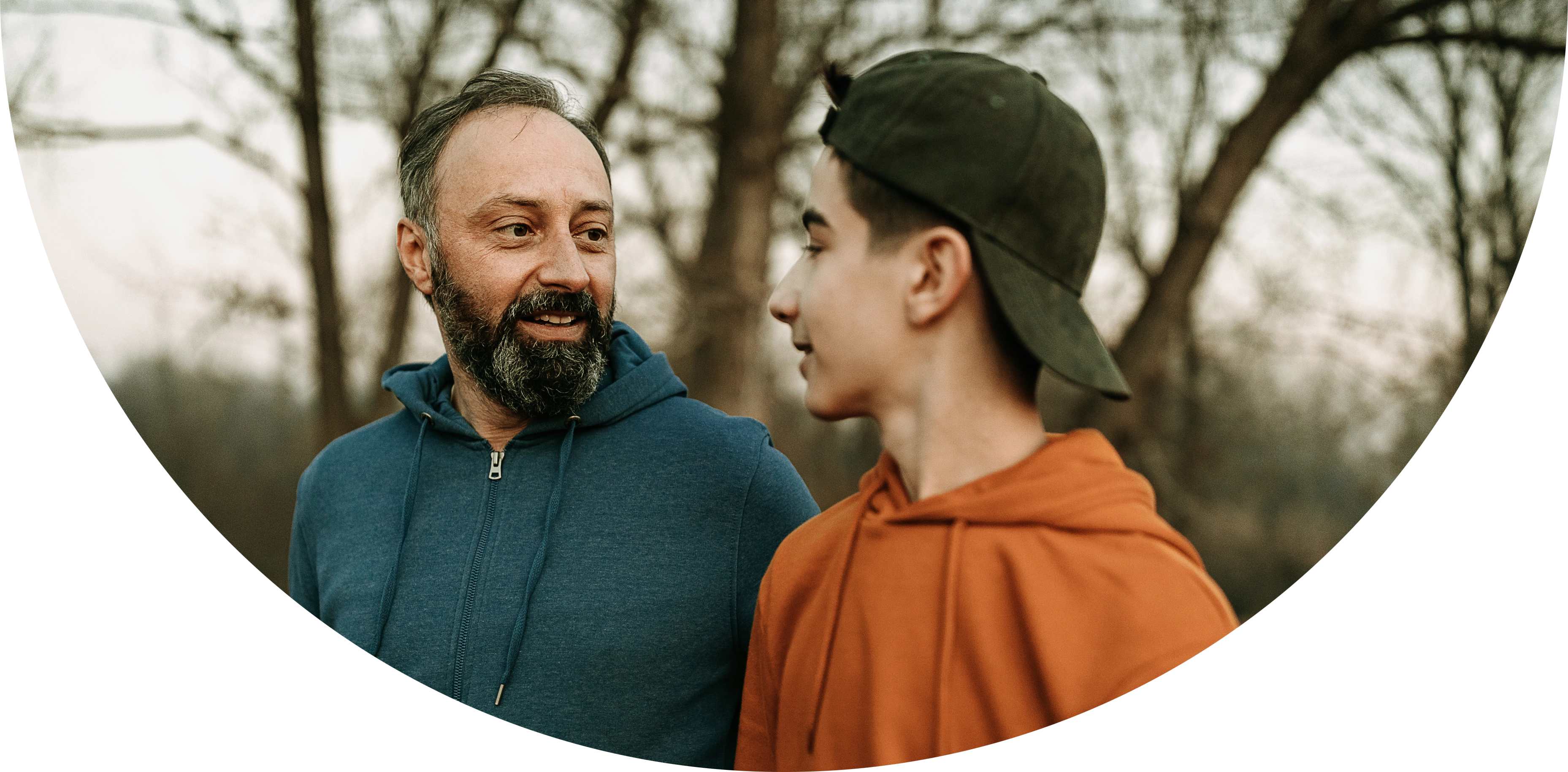
As part of our commitment to providing a personalised service to all of our children and young people, they each play an active role in their own care-planning.
Children and young people are fully involved in setting their own goals as part of the care-planning process with us. This helps them to feel they are in control of their own lives and feel responsible for themselves.
We take an innovative approach in using a ‘Support Plan’ which has been designed to be child-friendly and completed by them.
Our Support Plan is a living document and can be accessed by the child or young person any time they want to see it. It belongs to them and they can update it with new goals through conversations with their key worker.
Each personal plan is tailored to personal outcomes, guided by Scotland’s Getting it right for Every Child policy, and built on positive relationships.
The goals our children and young people choose are wide and varied. Whatever it is, it’s chosen by them and we support them to realise it.
Many of the children and young people who come to live with us have suffered complex trauma.
We recognize that trauma is very individual, and affects different people in different ways.
Our first priority in helping children and young people overcome their trauma, is to make them feel safe and secure, and to help them trust adults.
The need for trusting relationships with staff is vital in helping a child or young person get to a place where they feel able to share trauma. Our interactions, therefore, are always informed by the individual ‘Support Plan’. We go at their pace, and when they are ready to share, they can trust us to help them.
Our staff draw on relevant external support Child and Adolescent Mental Health Services (CAMHS).
We have developed an assessment pathway that supports our understanding of every child and young person who comes to live with us. The assessment is undertaken within the first 12 weeks. It allows us to consider where the child is from a developmental perspective. This includes observing physical, cognitive, emotional, social and identity development. In addition to this, we have also created a learning path that supports us to understand what obstacles to learning may be apparent within the child’s development.
All behaviour has a purpose, when a child or young person displays challenging behaviour, it is a form of communication. At Aberlour Sycamore Service, staff are trained in Emotion Works, which allows us to work with a young person to understand the feelings behind their behaviour.
Staff are trained in de-escalation methods, to help defuse confrontations and challenging situations, before they develop. As with all our practice with children and young people, our approach is personalised taking into account the detail in a child’s Support Plan.
We have close links to the Aberlour Fostering Team, with an identified Link Worker assigned to each house. This relationship allows us to assess and plan for children and young people, where there is an agreement that transitioning to a foster family should be considered, whether this is permanently, or to experience short break care with a family.

For many of the children and young people who come to live with us, their relationships with their families have been disrupted or have completely broken down – some will have had no contact for a long time.
There are often good reasons for this, which must be taken into account carefully, as we consider how best to support our children and young people to establish safe relationships with family and friends. Where possible, and in the best interest of the child or young person, we will work with them to create a meaningful relationship.
Our approach to facilitate meaningful, positive, relationships with family members is based on respect, compassion and understanding. It's not about supervising family contact – it's about supporting family visits.
Family members are encouraged to participate in their child's activities and daily lives – some parents visit and share a meal together or join in an arranged activity with their child and staff such as art or baking. Our Sycamore Service at Veronica Crescent, Kirkcaldy has two family flats designed to be used by the children and young people when they have visits from their families, which can include overnight stays.
"The staff at Whytemans took the time to get to know our family and the dynamics of it. They keep us informed of how things are with an open and honest approach, and support our family so our time together is as positive as it can be. Even though we stay far away, the staff are always just a phone call away."
Parent
Supported by Aberlour Sycamore Services
“I didn’t have a great educational experience until I moved into Aberlour Sycamore Service where I was provided with a great opportunity to have an educational support worker. I couldn’t see myself pursuing my education at all, but thanks to Aberlour I was awarded a place in college. When I was unsure about what I wanted to do in college, I was able to take a year’s break and went to the nurture hub to develop my social skills. This helped me to make friends on my course which made it more likely for me to succeed in my studies.”
Samantha
Young Person (aged 17)
We offer a service that holds the child or young person at the centre, encouraging them to be actively involved with their education plan whilst supporting them to recognise their ability and fulfil their ambitions.
Our strong links with the local schools and other education professionals (such as Educational Psychologists) enable us to work closely together to create and support education plans that assist this, whilst also identifying the appropriate learning environment based on the child or young person’s needs.
Our service complements the support provided within the child or young person’s house, coordinating and liaising with house staff, Education Support Workers, Local Authority and their school. This creates a consistent thread of communication that is vital to assessing and reviewing the child or young person’s needs.
We understand that some children and young people find the traditional education setting challenging for various reasons. Our team, in conjunction with the school, seek out alternative ways of supporting the child or young person’s learning. We offer access to natural connections (Outdoor Learning), as well as access to our Nurture Hub which offers a quiet safe space to explore ideas and creativity as well as traditional curriculum-based material supported by the child or young person’s school.
Our to Social Pedagogical approach learning is informed by Dyadic Developmental Practice and supports key areas such as Self-esteem, Confidence, Social, Emotional and Cognitive Development, all of which are known barriers to learning.
Watch the video
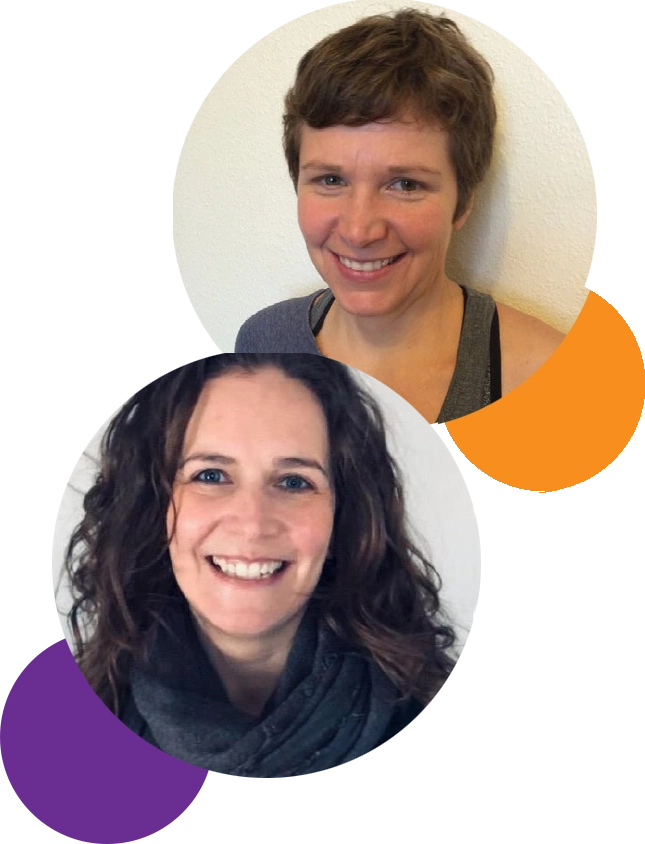
Dr Shona Quin and Dr Penny Noel are clinical psychologists providing input to Aberlour's Sycamore Services who bring extensive experience of working in Child and Adolescent Mental Health Services and with residential childcare services.
Informed by their understanding of complex trauma, attachment and development, they offer support to the care teams in the form of training, consultations, reflective spaces and supervision for managers.
Both Shona and Penny are passionate about the importance of understanding and containing the system around children and young people in care. They recognise that when adults feel adequately supported and have spaces to think about the needs of the children and young people they look after, they are better equipped to provide the nurturing, responsive care the child or young person needs to feel safe, to build secure attachments and to feel emotionally contained. In keeping with The Promise, they help us "hold the hands of those who hold the hands" of the children and young people.
These factors enable children and young people to grow and develop while also offering the relational security that will enable them to begin to explore and process some of the difficult experiences they have been faced with prior to and through their journey in care.
A key part of our practice is that Dr Quin and Dr Noel facilitate reflective space in our teams and with all levels of the management teams.
"Reflective practice is the process of thinking about your experience either 1:1 or in groups. The reflective space provides an opportunity for people to share their experiences, reflect on these and build insight and awareness. This process can support the growth of collective wisdom and can build strength and trust across teams. Reflecting on your experiences is an essential part of growing as a practitioner and is considered particularly helpful in environments that induce high levels of stress."
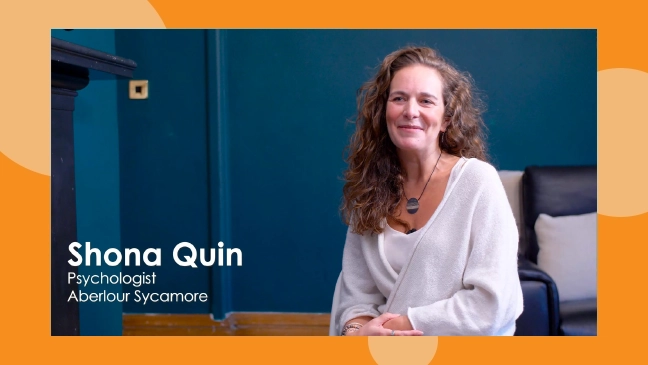
Watch video
For more information about the support Dr Quin and Dr Noel provide visit:
SPACE - Support through Psychological Approaches in Care and Education.

Helping adults who work everyday with our children and young people acquire the right skills, knowledge and support, so they are fully able to meet the needs of our children and young people, is a priority for us at Aberlour.
At Aberlour we believe that children should not be restrained. This has been a focus of ours in recent years where we have delivered a programme called Safer Places to Live, Work and Attend. This has seen the charity focus on relationships as the critical success factor to help children and young people when they are distressed without needing to use restraint.
Our success is informed by the views of our children and young people who told us they do not like to be restrained and the opinion of our adults who do not like to restrain them – the support we receive from Dr Shona Quin and Dr Penny Noel allows us to better understand why children might find certain daily events difficult, and to help us programme our response in these situations that avoids restraint.
All adults are trained in Dyadic Developmental Practice directly linked to their role with all residential workers trained to level 1 and managers all trained to level 2.
In addition, all staff are trained in developmental approaches to looking after children and young people so that they can understand what impact their earlier experiences have had on them.
All adults are registered with the Scottish Social Services Council (SSSC), and Aberlour supports those workers who require qualifications to achieve full registration status in their learning.
If you would like more information about Aberlour’s Sycamore Service or to discuss referring a child, please call 01592 591 500 or email sycamorereferrals@aberlour.org.uk.
Aberlour Sycamore Services
West Bridge Mill
Bridge Street
Kirkcaldy
KY1 1TE
Andy Finlay
Admissions and Programme Manager
Tel: 01592 591500
M: 07854 958120
Email: andy.finlay@aberlour.org.uk
The foundation stone of our new strategy for 2025 is a commitment to being brave – for children, young people and their families. Underpinning everything we do is our ambition to ensure the children and young people we work with have an equal chance regardless of their start in life.
Aberlour’s core purpose is supporting children, young people and their families compassionately and respectfully – working with them to change their lives.
We will influence policy and practice by elevating the voices of children, young people and families. We will provide platforms that enable them to share first-hand experiences and express their views.
We will seek to influence national policy on the development of holistic family support, to realise the ambition of the Promise, and continue to influence the incorporation and implementation of the UNCRC.
Read more about our 2021–2025 strategyScottish Charity no: SC007991 | Company reg no: SC312912
Aberlour Child Care Trust, Kintail House, Forthside Way, Stirling FK8 1QZ